Quick answer
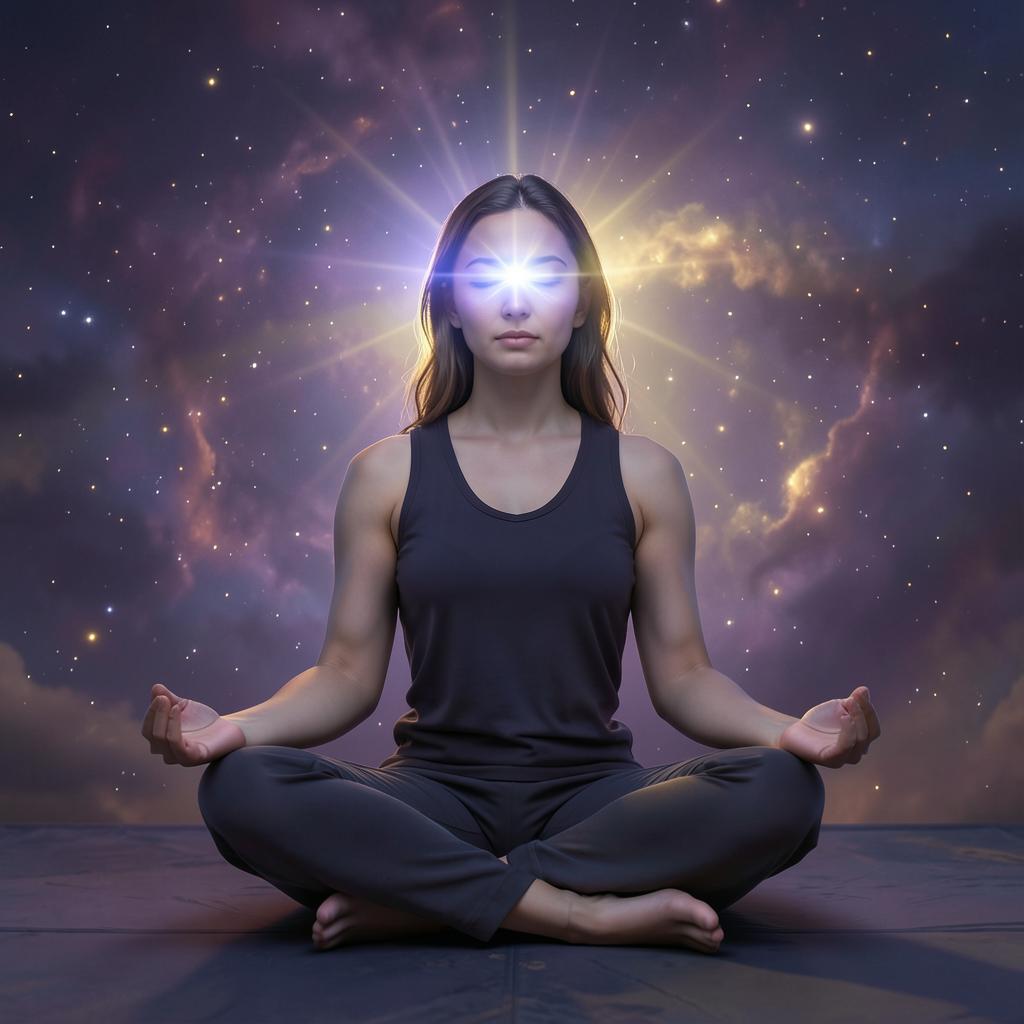
To open your third eye: get natural daylight within an hour of waking, sit upright at the same time each day, breathe slowly through the nose for two minutes, then rest your attention on the point between the eyebrows (the ajna chakra) for 10–20 minutes. Add a mantra or low-volume theta audio if it helps focus, and sleep in complete darkness at a consistent time. Most people notice sharper focus, calmer emotions and more vivid dreams within two to four weeks of daily practice.
Key facts
Also called
Ajna chakra — the sixth chakra, at the brow centre
Daily time needed
15–25 minutes
First changes reported
2–4 weeks of consistent practice
Physical counterpart
Often linked symbolically to the pineal gland
Core levers
Light exposure, breath, focused attention, dark sleep
Main risk
Over-intense practice causing anxiety or emotional flooding
What the third eye actually is
In classical yogic tradition the third eye is the ajna chakra, the sixth of seven energy centres, positioned at the brow. Its name translates roughly as "command" or "perceive", and it is associated with insight, imagination, intuition and the capacity to see beyond immediate appearances.
Modern practitioners often connect the third eye to the pineal gland, a small light-sensitive structure deep in the brain that produces melatonin and governs sleep timing. The connection is symbolic rather than anatomically proven — but it is not arbitrary. The habits that third eye practice emphasises (morning daylight, dark sleep, consistent bedtimes) genuinely influence pineal melatonin rhythm, which in turn affects sleep quality, dream vividness and daytime clarity.
It helps to hold both frames at once. The contemplative frame gives the practice meaning and structure. The physiological frame explains why the practice reliably makes people feel clearer, calmer and more focused, without requiring any supernatural claim.

How third eye opening works
Strip away the mysticism and third eye practice trains three concrete things at once:
- Sustained attention. Holding focus on a single interior point is concentration training. Over weeks this strengthens the same networks that make you less distractible in ordinary life.
- Autonomic downshift. Slow nasal breathing with a longer exhale shifts you toward parasympathetic dominance — lower heart rate, reduced stress arousal, a calmer baseline.
- Circadian alignment. Morning light and dark sleep sharpen your melatonin rhythm, which improves sleep depth and dream recall — two of the most commonly reported "third eye" effects.
The sensations people describe at the brow — pressure, warmth, tingling, colour imagery — are real and well documented in first-person reports. They arise from concentrated attention on a body region combined with relaxed visual processing behind closed eyes. Treat them as feedback that you are focused, not as a scoreboard.
How to open your third eye in 7 steps
This is the core routine. It takes about 25 minutes and needs no equipment. Do it daily for three weeks before judging results.
1. Anchor your morning light
Within an hour of waking, spend 5–10 minutes outdoors. Overcast daylight is still many times brighter than indoor lighting and does the job.
2. Choose a fixed time and place
Same time, same corner, same cushion. Habit strength beats session length in the first month.
3. Set your posture
Tall spine, relaxed shoulders, chin slightly tucked. Cross-legged or on a chair with both feet flat — comfort matters more than the pose.
4. Slow the breath
Two minutes of nasal breathing, roughly four seconds in and six seconds out. Let the exhale be the longer half.
5. Focus at the brow centre
Eyes closed and gently turned upward, rest attention on the ajna point for 10–15 minutes. Every time the mind drifts, return softly. The returning is the practice.
6. Add a mantra or sound
Optional: internally repeat OM on each exhale, or play theta-range or 528 Hz audio at low volume through headphones.
7. Close and protect your sleep
Sit still for a minute before opening your eyes. That night, sleep in full darkness at a consistent time and keep bright screens away from the last hour.
Want the routine guided step by step, with the audio and sequencing already built in?
Access the Guided Awakening
Signs your third eye is opening
These are the most consistently reported third eye opening signs across traditions and practitioner accounts. They are subjective experiences, not clinical measurements — and their absence does not mean the practice is failing.
- Brow pressure or tingling — a gentle localised sensation between the eyebrows, often the first thing beginners notice.
- Vivid or lucid dreams — sharper dream recall, sometimes within the first two weeks.
- Colour or light imagery — indigo, violet or white shapes behind closed eyes during sessions.
- Heightened intuition — faster pattern recognition and stronger gut-level reads on situations.
- Light and sound sensitivity — a temporary phase of finding bright light or noise more intrusive.
- Emotional release — unexpected waves of feeling during or after sitting, usually passing within a day.
- Inner stillness — longer stretches of quiet mind between thoughts.
If any sign becomes distressing rather than interesting, shorten your sessions and slow down. Intensity is not progress.
Realistic timeline
| Period | What most people report | What to focus on |
|---|---|---|
| Days 1–7 | Restlessness, fidgeting, occasional brow tingling | Just showing up daily |
| Weeks 2–4 | Calmer baseline, better sleep, more vivid dreams | Extending focus to 15 minutes |
| Weeks 5–8 | Longer stillness, stronger intuition, colour imagery | Consistency through low-motivation days |
| Months 3+ | Practice feels self-sustaining; clarity carries into daily life | Depth rather than duration |
Techniques compared
| Technique | Best for | Time | Difficulty |
|---|---|---|---|
| Ajna focus meditation | The core daily practice | 10–20 min | Beginner |
| Trataka (candle gazing) | Building raw concentration fast | 5–10 min | Beginner |
| Mandala focus | Visual learners who drift easily | 10–15 min | Beginner |
| OM mantra repetition | Quieting mental chatter | 10 min | Beginner |
| Theta / 528 Hz audio | Sustaining focus in noisy homes | Any session | Beginner |
| Nadi shodhana breathing | Balancing before deeper sitting | 5 min | Intermediate |
| Extended dark retreat | Advanced practitioners only | Days | Advanced |
Common mistakes
- Straining the eyes. The upward gaze should be soft. Forcing it causes headaches and tension, not insight.
- Chasing sensations. Practising to reproduce a tingle turns meditation into striving, which blocks the settling you want.
- Marathon sessions. A rare 60-minute sit does far less than 15 minutes daily.
- Ignoring sleep. Late screens and a lit bedroom undo much of the circadian benefit.
- Switching methods weekly. Pick one technique and give it three weeks before changing.
- Expecting visions. Most progress shows up as ordinary calm and clarity, not spectacle.
Safety and who should be careful
Seated meditation and slow nasal breathing are safe for the large majority of healthy adults. That said, sustained inward attention can surface difficult material, and a minority of people experience anxiety, dissociation or emotional flooding.
Speak with a qualified health professional before starting if you:
- have epilepsy or a seizure disorder — particularly before using flickering light or intensive breathwork
- live with psychosis, bipolar disorder or dissociative symptoms
- have a significant unprocessed trauma history
- are pregnant and considering intensive breath retention practices
Nothing here is medical advice, and third eye practice is not a treatment for any condition. If a session leaves you distressed, stop, ground yourself with movement and daylight, and shorten future sittings.
Myths vs facts
| Myth | What holds up |
|---|---|
| You can open it in one session | Sensations can appear quickly; durable change takes weeks of repetition |
| A supplement opens the third eye | No supplement has been shown to do this; light, sleep and attention are the real levers |
| Opening it grants psychic powers | Reported gains are clarity, calm and intuition — not verified extrasensory ability |
| It stays open forever | Effects behave like a trained skill and fade without maintenance |
| More intensity is better | Over-intense practice is the most common cause of anxiety and dropout |
Frequently asked questions
How do you open your third eye?
You open the third eye through consistent practice rather than a single event: get morning daylight, sit upright, breathe slowly through the nose, rest attention on the point between the brows (ajna) for 10 to 20 minutes daily, optionally use low-volume theta audio, and sleep in full darkness at a consistent time.
How long does it take to open your third eye?
Most people report noticeable changes in focus, dream vividness and calm within two to four weeks of daily practice. Deeper shifts are commonly described after 60 to 90 days. There is no verified physiological timeline because third eye opening is a subjective, contemplative experience rather than a measurable medical event.
Can you open your third eye in one day?
No credible tradition or research supports opening the third eye in a single day. Short sessions can produce vivid sensations such as brow pressure or colour imagery, but these are attention and relaxation effects, not a permanent shift. Consistency over weeks matters far more than intensity in one session.
Is opening your third eye dangerous?
For most healthy adults, seated meditation and slow breathing are safe. Intense or prolonged practice can occasionally trigger anxiety, dissociation or emotional flooding. People with epilepsy, psychosis, severe trauma histories or unmanaged mental health conditions should speak to a qualified professional before starting.
What does it feel like when your third eye opens?
Commonly described sensations include gentle pressure, tingling or warmth at the brow centre, spontaneous colour or light imagery behind closed eyes, a sense of spacious stillness, and heightened dream recall. These are subjective reports, not clinically measured outcomes.
Which chakra is the third eye?
The third eye is the ajna chakra, the sixth chakra in classical yogic systems. It is located at the brow centre and is traditionally associated with insight, intuition, imagination and inner perception.
Do you need a teacher to open your third eye?
A teacher is not required for basic ajna focus practice, and most beginners start alone with guided audio. A teacher helps most if you experience strong emotional release, persistent anxiety after sessions, or want to progress into advanced pranayama safely.
Does the third eye relate to the pineal gland?
The pineal gland is often described as the physical counterpart of the third eye because it is light-sensitive and produces melatonin. This is a symbolic association rather than a proven anatomical equivalence, though the light and sleep habits used in third eye practice do genuinely influence pineal melatonin timing.
What time of day is best for third eye meditation?
Early morning is the most commonly recommended window because the mind is less cluttered and the session pairs naturally with daylight exposure. Evening practice also works well as a wind-down. What matters most is choosing one time and keeping it consistent.
Can the third eye close again?
Practitioners often report that the clarity and intuition fade when practice stops, then return once daily sessions resume. In practical terms the effects behave like a trained skill that needs maintenance rather than a door that permanently locks.
Key takeaways
- Opening the third eye is a daily practice, not a one-off event.
- The seven-step routine takes about 25 minutes and needs no equipment.
- Morning daylight and dark, consistent sleep are the highest-leverage habits.
- Expect first changes in two to four weeks; deeper shifts after two to three months.
- Brow pressure, vivid dreams and inner stillness are the most reported signs.
- Gentle consistency beats intensity — over-practising is the main cause of dropout.
Continue reading
Ready to go deeper?
The Eye of God Awakening program guides the full practice day by day, with the audio, sequencing and pacing already worked out for you.
Begin Your Awakening