Quick answer
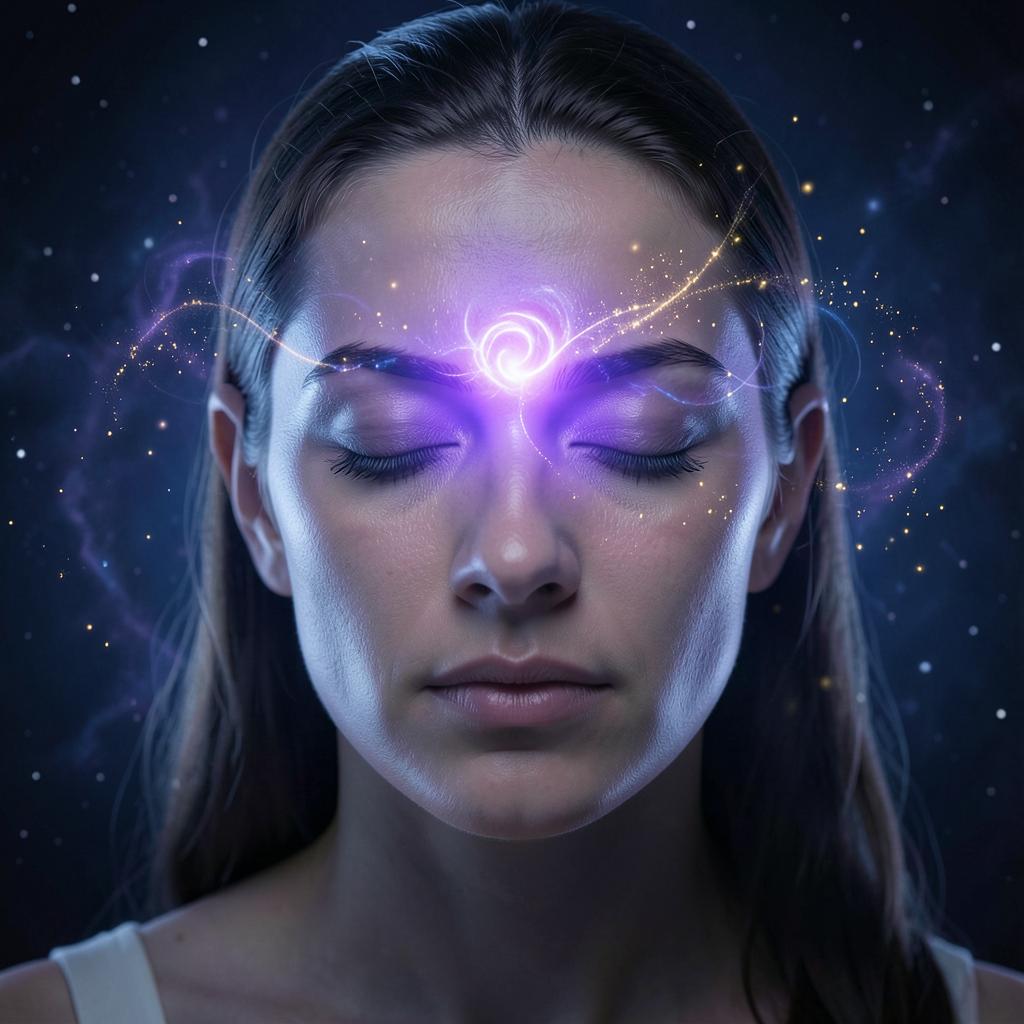
The most reported third eye opening signs are: gentle pressure or tingling between the eyebrows, more vivid and memorable dreams, drifting colour or light behind closed eyes, sharper intuition, increased light sensitivity in the evening, a calmer emotional baseline, richer moments between waking and sleep, spontaneous waves of stillness, more regular sleep, and a natural pull toward quieter habits. Early signs usually appear within two to four weeks of daily practice. Persistent headaches, open-eye visions and feeling unreal are not opening signs — they mean you should ease off or seek professional advice.
Key facts
Most common first sign
Brow pressure / tingling and vivid dreams
Typical onset
2–4 weeks of daily practice
Number of signs tracked
10 commonly reported, 4 common false alarms
Strongest-evidenced effect
Calmer emotional reactivity
Biggest myth
That it happens all at once, dramatically
When to pause
Real headaches, open-eye visions, feeling unreal
The 10 most reported third eye opening signs
These are drawn from the most consistent reports across contemplative traditions and modern practitioner communities, ordered roughly from the most commonly reported to the subtler shifts. You do not need all ten — most people notice two or three clearly. If you are still building your routine, our seven-step guide to opening the third eye is the natural companion to this page.
1. Gentle pressure or tingling between the eyebrows
The single most reported sign. It feels like a light touch, pulse or warmth at the brow centre, usually during meditation and sometimes at random quiet moments during the day. Attention researchers note that sustained focus on any body area heightens awareness of ordinary sensations there — which is exactly what this feels like.
2. More vivid and memorable dreams
Dreams become unusually detailed, symbolic or easy to recall on waking. This is one of the earliest and most consistent reports, and it has a plausible mechanism: better sleep routines and evening meditation both deepen REM sleep and dream recall.
3. Closed-eye light and colour imagery
Drifting violet, indigo or golden patterns behind closed eyes during deep relaxation. Known in research settings as phosphenes and hypnagogic imagery, these are normal products of a relaxed visual system — practitioners simply learn to notice them.
4. Sharper intuition and 'knowing' before thinking
Small moments of accurate gut feeling: knowing who is calling, sensing a room's mood, choosing the right option before reasoning it out. Most traditions treat this as attention becoming quiet enough to notice signals that were always present.
5. Increased sensitivity to light
Bright screens and harsh lighting feel more tiring, especially in the evening. This often reflects a genuinely healthier circadian rhythm — as practice regularises melatonin timing, evening light genuinely does feel more intrusive.
6. A calmer, less reactive emotional baseline
Situations that used to trigger irritation pass with more space around them. This is the best-evidenced effect of regular meditation generally, and practitioners consistently rank it among the most valuable 'signs'.
7. Pressure or activity in dreams and hypnagogic states
The moments between waking and sleep become richer: imagery, sounds, a sense of presence. These liminal states are where brow-centre sensations are most often reported.
8. Spontaneous waves of stillness
Brief moments during the day — walking, washing dishes, waiting — where the mind goes quiet and perception feels unusually clear and spacious, without trying to meditate.
9. Changes in sleep patterns
Falling asleep faster, waking at consistent times, or occasionally waking around 3–4am feeling alert. Consistent practice and morning light regularise the body clock, which shows up first in sleep timing.
10. A pull toward quieter habits
Losing interest in loud, crowded or overstimulating environments and gravitating toward nature, silence and simpler routines. Practitioners describe this as perception re-tuning rather than withdrawal.
Sensations that are NOT third eye opening signs
Honesty matters here. Some experiences get labelled as awakening when they are actually warnings — from the body, or from over-intense practice. Knowing the difference keeps your practice safe and sustainable.
Persistent or severe headaches
Mild temporary brow pressure is commonly reported; real headaches are not. Head pain during practice usually comes from straining the eyes upward, neck tension or breath-holding. Ongoing pain deserves a doctor, not more meditation.
Seeing visions with open eyes
Closed-eye imagery is a normal relaxation effect. Seeing things with open eyes, hearing voices, or losing track of what is real are not third eye signs — they are reasons to pause practice and speak to a professional.
Feeling superior or 'chosen'
Traditions are unanimous on this one: genuine openings make people humbler and calmer, not grandiose. Inflation is ego, not awakening.
Constant dizziness or dissociation
Brief spaciousness is common; feeling persistently unreal, detached or floaty is a sign of over-practice or underlying stress, and means shortening sessions and grounding in ordinary activity.
Why these sensations happen
Third eye opening is a contemplative experience, not a measurable medical event — but the most common signs map surprisingly well onto ordinary, well-understood mechanisms:
- Brow pressure — sustained attention on any body region increases awareness of the normal micro-sensations there. Focus on your left hand for ten minutes and it will tingle too.
- Vivid dreams — evening meditation, earlier bedtimes and dark sleep all deepen REM sleep, which is where vivid, memorable dreaming happens.
- Closed-eye imagery — phosphenes and hypnagogic imagery are normal outputs of a relaxed visual system; practice simply trains you to notice them.
- Calmer reactions — the best-evidenced effect of regular meditation, reflected in reduced stress reactivity across hundreds of studies.
- Evening light sensitivity — a sign your circadian rhythm is regularising; the pineal gland's melatonin timing genuinely responds to light and dark. Our pineal gland guide covers the light and sleep research in detail.
Holding both frames — the symbolic language of the tradition and the plain physiology — makes the practice richer, not weaker.
When signs usually appear: a realistic timeline
Week 1–2
Sessions feel ordinary. Maybe slight brow warmth, falling asleep a little faster. Most people quit here because 'nothing happened' — this is normal.
Week 2–4
First clear reports: brow pressure during sits, noticeably vivid dreams, calmer reactions to small frustrations.
Month 2
Closed-eye imagery becomes familiar; intuition moments appear; sleep timing regularises; evening light starts to feel intrusive.
Month 3+
Early sensations fade into the background and the subtler shifts — steadiness, clarity, quiet — become the baseline rather than events.
If the signs feel overwhelming
Occasionally practice opens things faster than expected — emotions surface, sensitivity spikes, or sleep gets disrupted. The traditional advice is simple and works well:
- Halve your session length for a week rather than stopping entirely.
- Practise earlier in the day if evenings leave you wired.
- Ground deliberately: walking, cooking, exercise, ordinary conversation.
- Drop any forceful techniques (strong breath retention, extended sessions) until you feel steady.
- If anxiety, detachment from reality or sleep problems persist, pause and speak to a qualified professional — that is wisdom, not failure.
A structured, beginner-paced program helps here: the Eye of God Awakening sessions are sequenced specifically to build intensity gradually rather than all at once.
Frequently asked questions
What are the first signs of third eye opening?
The most commonly reported early signs are gentle pressure, tingling or warmth between the eyebrows, more vivid or memorable dreams, sharper focus during the day, and occasional closed-eye imagery such as drifting colour or light patterns. These typically appear within two to four weeks of consistent daily practice.
Is pressure between the eyebrows a third eye opening sign?
Practitioners widely report a gentle pressure, pulsing or tingling at the brow centre during and after meditation. It is usually explained as sustained attention increasing awareness of normal sensations in that area. Persistent or painful headaches are not a typical sign and should be checked by a doctor.
Are vivid dreams a sign of third eye opening?
Vivid and better-remembered dreams are among the most frequently reported signs. There is a plausible mechanism: evening meditation and improved sleep routines both increase REM sleep quality and dream recall, which matches what practitioners describe.
Can third eye opening cause headaches?
Mild temporary pressure at the brow is commonly reported, but real headaches are not a standard sign. Headaches during practice usually come from eye strain (forcing the eyes upward), jaw or neck tension, or breath-holding. Persistent pain warrants medical advice, not more practice.
How long do third eye opening symptoms last?
Early sensations such as brow tingling usually fade within weeks as they become normal background awareness. Subtler shifts — calmer reactions, sharper intuition, better dream recall — are typically reported as stable after two to three months of consistent practice.
What are the negative side effects of third eye opening?
Over-intense practice can occasionally trigger anxiety, light sensitivity, feeling emotionally raw or 'spacey', and sleep disruption. These almost always resolve by shortening sessions and practising less often. People with epilepsy, psychosis or severe trauma histories should work with a qualified professional.
Does everyone experience the same third eye opening signs?
No. Reports vary widely: some people notice dream changes first, others notice brow pressure, and others mainly describe a gradual increase in calm and intuition with no dramatic sensations at all. A lack of dramatic sensations does not mean the practice is not working.
How do I know if my third eye is already open?
Traditions describe an 'open' third eye less as a switch and more as a degree of clarity: consistent intuition you can verify, emotional steadiness under stress, vivid dream life, and an easy ability to focus attention inward. It behaves like a trained skill rather than a permanent switch.
Key takeaways
- The two earliest and most common signs are brow pressure and vivid dreams — usually within two to four weeks of daily practice.
- Every common sign has a plausible ordinary mechanism; that makes the practice more trustworthy, not less.
- Real headaches, open-eye visions and feeling unreal are warnings, not awakening.
- Signs fade into a calmer baseline after about three months — that is the goal, not the loss of progress.
- Consistency beats intensity: fifteen gentle minutes daily outperforms occasional hour-long sessions.
Ready to experience the signs yourself?
The Eye of God Awakening program guides you day by day with structured audio sessions, so you know exactly what to practise and what to expect at each stage.
Begin Your Awakening